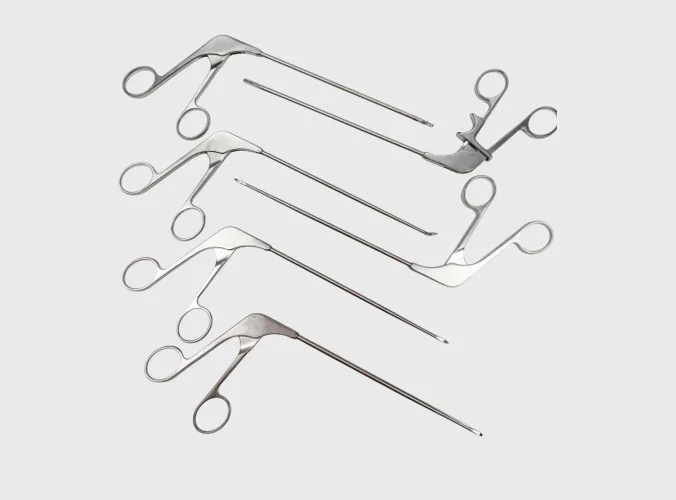
FAQs About Plasma Sterilizers for Arthroscopic Instruments
1. Why do arthroscopic instruments require low-temperature plasma sterilization? +
Arthroscopic instruments, such as high-definition cameras, fiber optic light cables, and motorized shavers, contain delicate optical and electronic components that can melt, crack, or degrade under the high heat and moisture of steam autoclaving. Low-temperature plasma provides a safe and effective alternative.
2. Is plasma sterilization safe for arthroscopic cameras and light cables? +
Yes, low-temperature plasma sterilization is ideal for arthroscopic camera heads, light leads, and optical adapters as it sterilizes at safe temperatures without using corrosive moisture, protecting delicate lenses and fiber optics. This maintains visual clarity and extends the operational life of the optics.
3. What is the turnaround time for sterilizing arthroscopic kits? +
With plasma sterilization, arthroscopic instrument sets can be fully sterilized and ready for reuse in under an hour. Because no aeration time is required (unlike EtO), the tools are available for consecutive surgical cases, which maximizes operating room efficiency.
4. Can arthroscopic handpieces and power tools be sterilized in this system? +
Yes, many advanced battery-operated or corded arthroscopic shavers, drills, and high-precision handpieces are fully compatible with low-temperature hydrogen peroxide plasma sterilizers. The dry cycle prevents internal moisture accumulation that can short-circuit the electric motors.
5. Does the sterilization process leave any chemical residues on surgical instruments? +
No, the gas plasma phase breaks down the hydrogen peroxide vapor into water vapor and oxygen, ensuring that instruments are completely free of toxic residues and safe for immediate patient contact. This eliminates the risk of tissue irritation or chemical burns.
6. How does the system monitor compliance for arthroscopic sterilization? +
The sterilizer features automated digital log tracking that records every cycle parameter including temperature, pressure, and time. This data is stored and can be printed or exported to electronic health record systems for compliance auditing.