Plasma Sterilizer for Ophthalmic instruments

Home   Plasma Sterilizer for Ophthalmic instruments

Plasma Sterilizer for Ophthalmic Instruments Supplier in India

Ophthalmic equipment is very delicate and cannot be subjected to heat and moisture without sterilization. Sterilization of delicate tools by our plasma sterilizer is safe and low-temperature, and preserves the integrity and sharpness of the tools.

It guarantees a full kill of microbes and a quick turnaround of ophthalmology clinics with high demands. The sterilizer is also less toxic to the environment and occupational risks.

Ophthalmologists can have confidence in (plasma-sterilizers.com) sterilizers because it has automated controls and compliance monitoring, which guarantees reliability in results. This solution would be best suited to the clinics and hospitals that are interested in keeping a high level of hygiene and still ensuring the durability of the ophthalmic instruments.
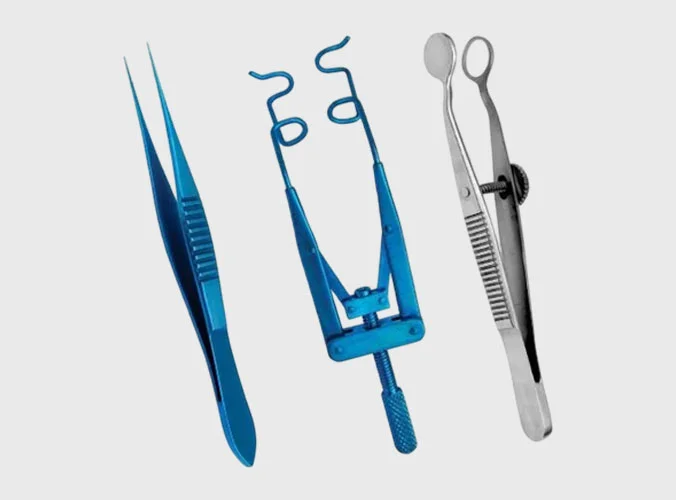
Ophthalmic instruments Image

FAQs About Plasma Sterilizers for Ophthalmic Instruments

1. Why is plasma sterilization preferred for ophthalmic surgical instruments? + Ophthalmic surgical instruments (such as micro-forceps, diamond knives, phacoemulsification handpieces, and micro-scissors) are extremely delicate and sharp. Steam sterilization can cause corrosion, dulling of blades, and thermal stress, whereas low-temperature plasma preserves their precision and sharpness.
2. Can phaco handpieces and vitrectomy probes be sterilized in a plasma sterilizer? + Yes, high-precision ophthalmic handpieces, vitrectomy cutters, and reusable diagnostic lenses are highly compatible with low-temperature plasma sterilization, preventing heat-induced damage to their delicate transducers and electronics.
3. How does plasma sterilization prevent Toxic Anterior Segment Syndrome (TASS)? + TASS is a sterile inflammatory reaction often caused by chemical residues, bacterial endotoxins, or impurities left on ophthalmic instruments. Plasma sterilization leaves absolutely no chemical residues, as the vaporized H2O2 is converted into harmless water and oxygen.
4. What is the average cycle time for sterilizing ophthalmic instruments? + Ophthalmic instruments can be sterilized using quick or standard cycles, which typically range from 25 to 45 minutes, allowing eye clinics to run multiple surgical procedures with a smaller inventory of expensive micro-instruments.
5. Are diamond knives and delicate surgical blades safe in this sterilizer? + Yes, the low-temperature, dry vacuum environment of the plasma sterilizer is gentle on micro-machined metal and diamond edges, preventing oxidation and maintaining their cutting edge for longer periods.
6. What indicators are recommended for monitoring ophthalmic sterilization cycles? + We recommend using chemical indicator strips and biological indicator vials containing Geobacillus stearothermophilus spores. These are placed inside the sterilization packs to verify that the low-temperature gas plasma has achieved proper concentration and exposure levels to ensure absolute sterility. This routine monitoring process helps eye surgery clinics maintain compliance with strict medical standards and guarantees maximum safety for patients during delicate ophthalmic procedures.
Copyright © 2026 Plasma Sterilizer All Rights Reserved.
fix-btn