Plasma Sterilizer for Endoscopy instruments

Home   Plasma Sterilizer for Endoscopy instruments

Plasma Sterilizer for Endoscopy Instruments Supplier

Endoscopic equipment needs to be thoroughly decontaminated, particularly because of its tube and flexible nature. The plasma sterilizers used in (plasma-sterilizers.com) are effective to sterilize endoscopes and accessories to ensure a hundred percent sterilization of the equipment used.

The chemical-free, low-temperature operation ensures that the instruments are not damaged by heat, and they have a longer lifespan. Cycles and monitoring systems are automated, which ensures that there is a high level of control in the process of sterilization, and hence, it does not ruin the standards of healthcare.

This is an ideal solution in hospitals and diagnostic centers where the sterilization of endoscopic equipment is required fast, safe, and efficient. Endoscopy sterilizers of (plasma-sterilizers.com) improve workflow, minimize the risk of infection, and are safe to patients.
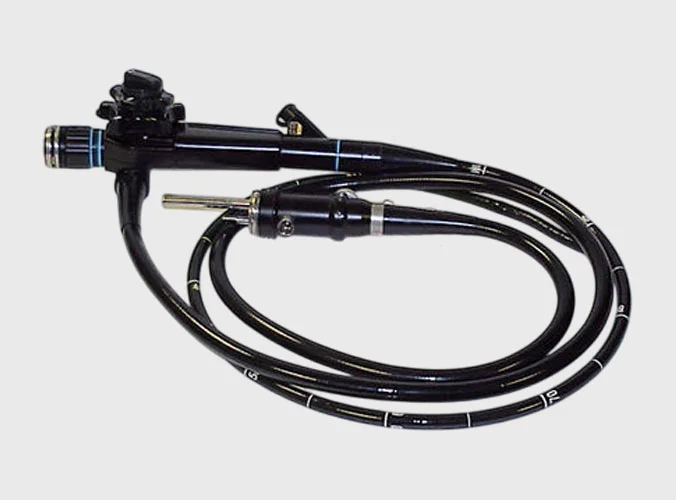
Endoscopy instruments Image

FAQs About Plasma Sterilizers for Endoscopy Instruments

1. How does a plasma sterilizer protect flexible endoscopes during sterilization? + Flexible endoscopes contain delicate polymer sheathing, fiber optics, and control wires that cannot withstand high autoclave temperatures. Plasma sterilization operates at low temperatures, ensuring these flexible components do not warp, crack, or lose flexibility. This protects the scope's articulation mechanism and structural integrity.
2. Can lumens and narrow channels of endoscopes be effectively sterilized? + Yes, when used with appropriate booster devices or specialized cycles, vaporized hydrogen peroxide penetrates deep into the long, narrow channels and lumens of rigid and flexible endoscopes to ensure comprehensive microbial kill. This is essential for preventing patient-to-patient cross-infection.
3. Why choose plasma sterilization over chemical liquid disinfection (HLD) for endoscopes? + Unlike liquid high-level disinfection (HLD), plasma sterilization achieves a true Sterility Assurance Level (SAL) of 10^-6 and leaves the endoscope completely dry. It also eliminates the risk of toxic chemical exposure for staff and patients, and avoids the need for sterile water rinsing.
4. Which types of endoscopic instruments are compatible with this sterilizer? + It is compatible with rigid endoscopes, cystoscopes, hysteroscopes, laparoscopes, and various flexible endoscopic accessories such as biopsy forceps, guidance wires, and retrieval baskets. It handles both diagnostic and therapeutic endoscopic devices safely.
5. Does it require long aeration times after the cycle? + No, unlike Ethylene Oxide (EtO) sterilization which requires hours of aeration to remove toxic gases, plasma sterilized endoscopes are ready for immediate clinical use as soon as the cycle concludes. This allows diagnostic suites to operate with fewer scope sets.
6. How does the low-temperature plasma cycle handle moisture on endoscopy tools? + Since plasma sterilization requires a dry vacuum environment, instruments must be thoroughly dried before loading. The sterilizer features a pre-cycle vacuum check that detects residual moisture and aborts the cycle to prevent sterilization failure and damage.
Copyright © 2026 Plasma Sterilizer All Rights Reserved.
fix-btn