Plasma Sterilizer for Robotic laparoscopic instruments

Home   Plasma Sterilizer for Robotic laparoscopic instruments

Plasma Sterilization System for Robotic Laparoscopic Instruments Manufacturer

Laparoscopic surgery robots are very delicate and demand meticulous sterilization. Plasma sterilizers at (plasma-sterilizers.com) cover this superior equipment and even assure total elimination of microorganisms.

Low-temperature procedure helps to avoid any damage of the fragile robotic tools, thus making it safe and prolonged. Sophisticated automation of cycles and monitoring functions promotes workflow and adherence in contemporary surgical units.

This is the best solution to use in facilities that are conducting robotic surgeries, which can easily undergo sterilization with a short turnaround time. (plasma-sterilizers.com) is a reliable and effective sterilizer, and does not interfere with the performance of robotic instruments, which is why most people trust it as their partner in sophisticated operations.
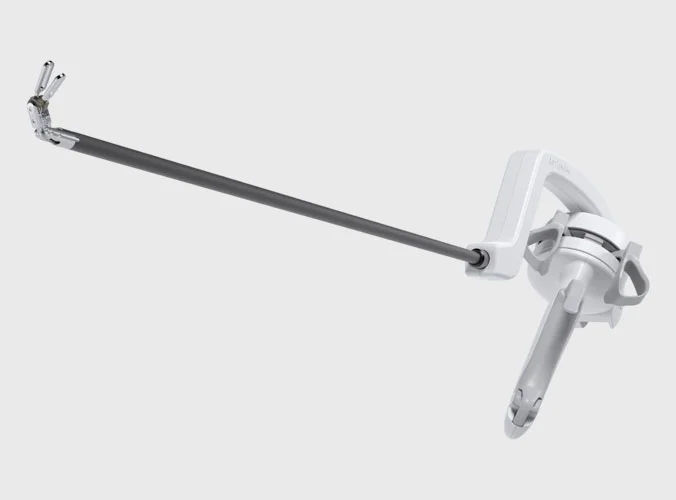
Robotic laparoscopic instruments Image

FAQs About Plasma Sterilizers for Robotic Laparoscopic Instruments

1. Why do robotic laparoscopic tools require specialized plasma sterilization? + Robotic instruments (like EndoWrist tools) are complex devices containing micro-mechanisms, internal cables, joints, and embedded electronic chips. Steam heat and moisture can damage these electronics and corrode the intricate mechanical joints.
2. Does plasma sterilization affect the sensor chips in robotic surgical instruments? + No. Low-temperature gas plasma sterilization is designed to be safe for embedded microchips, electrical contacts, and sensors, ensuring that the tracking and memory functions of the robotic tools remain fully operational.
3. How does the sterilizer reach the internal channels and joints of robotic tools? + Vaporized hydrogen peroxide is drawn into deep recesses, hinges, and micro-channels through vacuum pulses, ensuring that all internal mechanical surfaces of the robotic laparoscopic tools are completely sterilized.
4. What are the benefits of plasma sterilization for robotic surgery programs? + It provides a rapid turnaround time (under an hour) for highly expensive robotic instruments, decreases the need for large backup inventories, extends tool lifespan by avoiding thermal stress, and guarantees high-level safety.
5. Are the materials used in robotic surgical arms compatible with H2O2 plasma? + Yes, the metals, carbon fibers, high-performance polymers, and specialized sealants commonly used in robotic surgical instruments are fully compatible and do not degrade under H2O2 plasma cycles.
6. What is the average cycle time for sterilizing robotic surgical instruments? + Robotic laparoscopic instruments can be fully sterilized in about 35 to 55 minutes, depending on the load and cycle selected. Because the process requires no aeration time, the instruments are immediately ready for clinical reuse, maximizing OR efficiency. This rapid turnaround time allows surgical teams to perform consecutive complex robotic procedures using a smaller inventory of high-cost tools, significantly reducing capital expenditure for healthcare facilities.
Copyright © 2026 Plasma Sterilizer All Rights Reserved.
fix-btn